


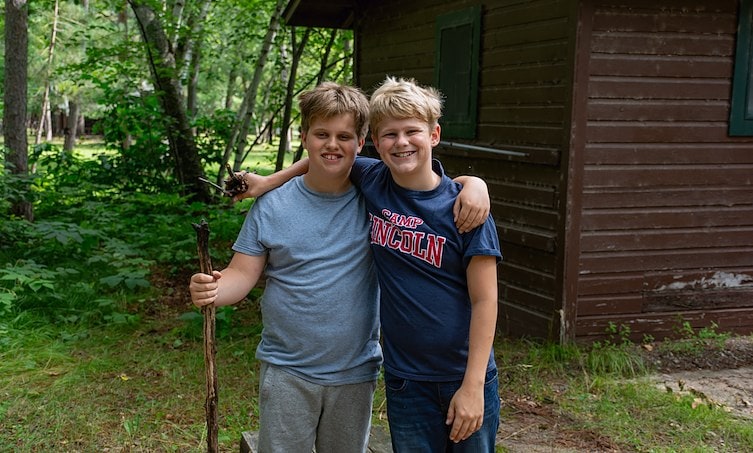
Camp Lincoln for Boys and Camp Lake Hubert for Girls Help Campers Thrive
Sending your child to camp for the first time, especially a place as special as Camp Lincoln and Camp Lake Hubert, is a big milestone. It often comes with a mix of excitement, pride qeand a little bit of worry (for both kids and parents).
As a therapist who works with young people and families, and as someone who deeply values the growth that happens at camp, I want to offer some gentle guidance to help make this transition feel smoother and supportive for everyone involved
1. Start the Conversion Early
Children do best when they know what to expect. Begin talking about camp in the weeks leading up to it, what a typical day might look like, the kinds of activities they'll try, and the friendships they'll build. This information can be found here for Camp Lincoln and here for Camp Lake Hubert
It's important to keep the tone positive, but also realistic. You might say, "There will be so many fun moments, and there might also be times that feel new or a little uncomfortable, that's part of trying something new." This helps build trust and emotional readiness.
2. Build Independence in Small, Manageable Ways
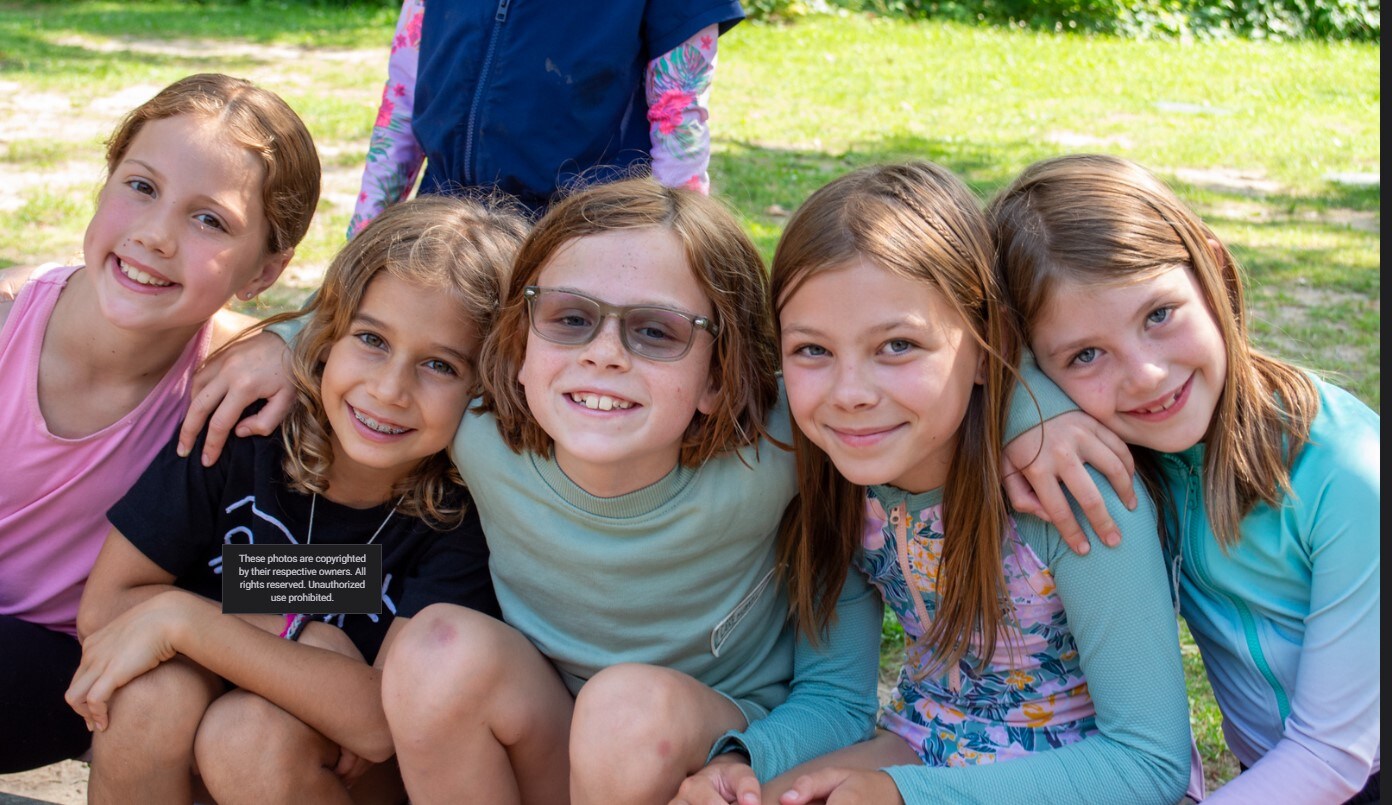
Camp Lincoln and Camp Lake Hubert are incredible environments for building independence, and a little practice beforehand goes a long way.
In the weeks before camp, encourage your child to "practice" routines without you: getting ready for bed, picking out clothes, showering and brushing teeth etc. Talk about what your child should do if they need something; it's important that campers learn to advocate for themselves.
3. Let Your Child Be Part of the Process
One of the best ways to reduce anxiety is to increase a sense of control.
Invite your child to help pack for camp. Let them choose a few meaningful comfort items—a favorite sweatshirt, family photos, or a small stuffed animal. As you go through the packing list together, you're not just preparing their bag, you're helping them mentally prepare for the experience.
4. Practice Being Away
If this is your child's first extended time away from home, try building up to it. Sleepovers with friends or nights at a relative's house can help them get used to being in a different environment.
Even small experiences of separation help build confidence: "I've done this before, I can do it again."
5. Normalize Homesickness
Homesickness is one of the most common concerns and also one of the most misunderstood.
Let your child know: it's okay to miss home. That feeling can come and go, and it doesn't mean they are not having fun."
You can also offer simple coping tools:
- Taking a few deep breaths
- Looking at photos from home
- Staying engaged in activities and routines
6. Don't make promises about picking up your child early if homesickness becomes an issue.
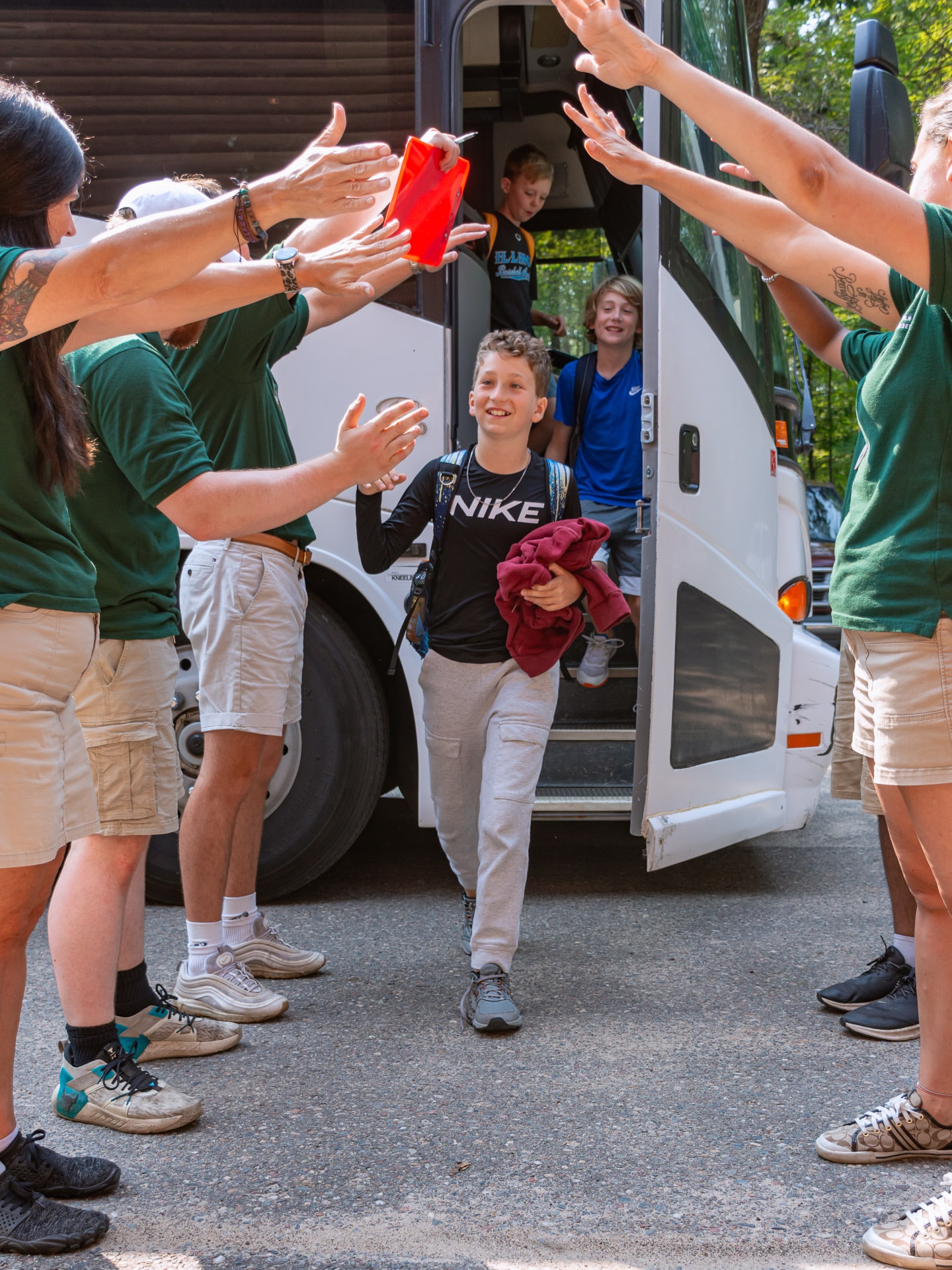
These statements set campers up for failure and send a message that you have no confidence in your child's ability to cope with adversity. Tell your child, "If you are feeling sad or homesick, talk to your counselor. At Camp Lincoln and Camp Lake Hubert, our staff are incredibly skilled at supporting campers through these moments.
For parents, sending your child to camp for the first time is also a big milestone and can stir up big emotions.
7. Keep Goodbyes Short, Warm, and Confident
Drop-off can be emotional: shorter, confident goodbyes tend to help children adjust more easily.
Try to communicate your belief in them:
"I know you can do this. I'm so excited for you."
Even if you're feeling emotional inside (which is completely understandable), your calm confidence becomes their anchor.
8. Trust the Process!
Camp Lincoln and Camp Lake Hubert have decades of experience helping children grow, connect, and thrive. The counselors and staff are deeply attuned to what kids need, whether that's encouragement, structure, or a little extra support.
Reminding your child that they can go to their counselors for anything helps them feel safe and supported.
9. Take Care of Yourself as well!
It's okay to feel a mix of pride, excitement, and even a little loss of having them not at home. Try to give yourself the same compassion you're offering your child. And trust that this experience is helping them build confidence, resilience, and a stronger sense of self.
10. Celebrate the Growth

Camp is more than just a summer activity, it's a powerful opportunity for growth.
You might say to your child:
"This is something new and brave. I'm so proud of you for trying it."
Because it is not just about camp, but learning they can step into something new and come out stronger on the other side.
Final Thoughts:
The first summer at Camp Lincoln or Camp Lake Hubert is the beginning of something truly meaningful. There is also so much joy, connection and growth waiting for your child. With a little preparation, a lot of support, and trust in the process, you're setting them up for a summer they'll carry with them long after camp ends.
Debbie Locketz, LICSW, is a Clinical Social Worker and founder of a private mental health practice in Minneapolis, MN. With over 30 years of experience supporting camp communities, she trains and guides staff throughout the summer, helping create positive and supportive environments for young people.


