


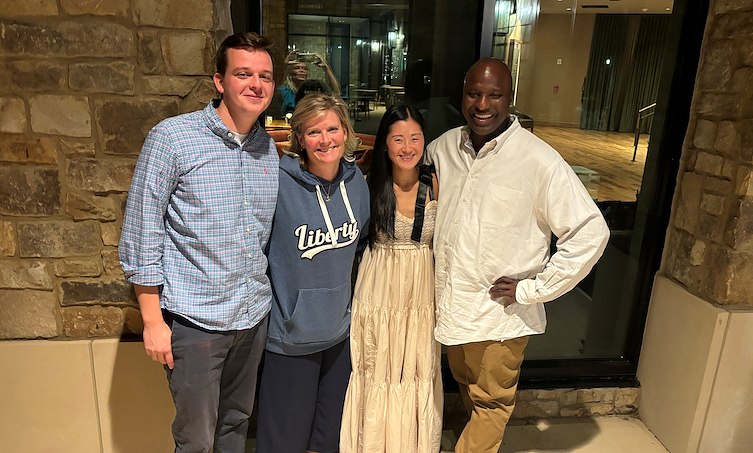
Camp Lincoln for Boys and Camp Lake Hubert for Girls Leadership Team Prioritizes Parent Relationships
Sending a child to overnight camp is an exciting milestone for campers and parents alike. For many families, it's the first time their child spends an extended period away from home. Along with excitement can come a mix of anticipation, pride and maybe even a few nerves.
At Camp Lincoln and Camp Lake Hubert, we've seen something remarkable happen year after year: campers arrive a little unsure of themselves and leave more confident, independent and connected to others. That growth doesn't happen by accident. One of the most important ingredients for a successful camp experience is the partnership between parents and camp leadership. When families and camp staff work together with shared goals, campers have the support they need to truly thrive. This happens when parents and camp leadership partner to create the best camp experience for their children.
A Shared Goal: Helping Kids Grow
Parents and camp staff ultimately want the same things for children. We want them to grow into confident, kind, capable young people who are willing to try new things and build meaningful friendships.
Summer camp creates a unique environment where those qualities can flourish. Away from the routines and expectations of school and home, campers have the opportunity to explore new interests and discover strengths they didn't know they had. Maybe it's standing up on water skis for the first time, learning to sail across the lake, climbing higher than they ever thought possible on the climbing wall, or performing in front of their cabin group. Each of these moments builds confidence and resilience. When parents and camp share the goal of encouraging growth and independence, campers feel supported both at home and at camp.
Preparing Campers Before the Summer Begins
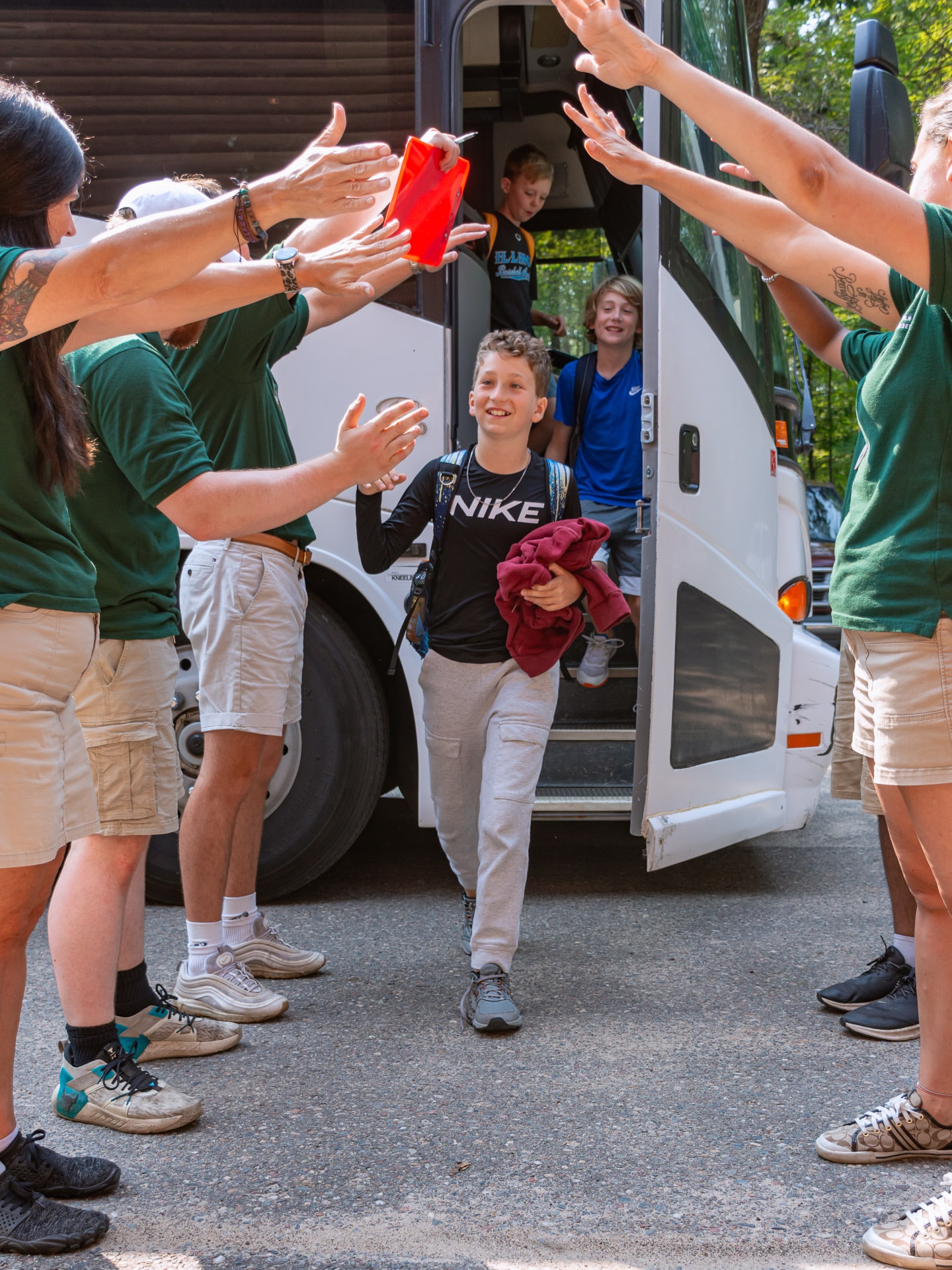
A positive camp experience often begins long before opening day. Parents play a powerful role in helping children prepare for the adventure ahead. Check out this page for helpful information including preparing your child for camp.
One of the most helpful things families can do is talk about camp with excitement and confidence. Sharing stories about activities, friendships, and traditions can help build anticipation and reassure first-time campers. It's also helpful to encourage independence in small ways before the summer begins. Packing together, organizing personal belongings, and practicing overnight stays away from home can help campers feel ready for the experience.
Parents can also talk openly about the idea that camp might include moments of challenge. Missing home for a little while or trying something new can feel uncomfortable at first but those are often the very moments that lead to the greatest growth. With encouragement from home, campers arrive feeling ready to embrace the adventure.
Trusting the Camp Process
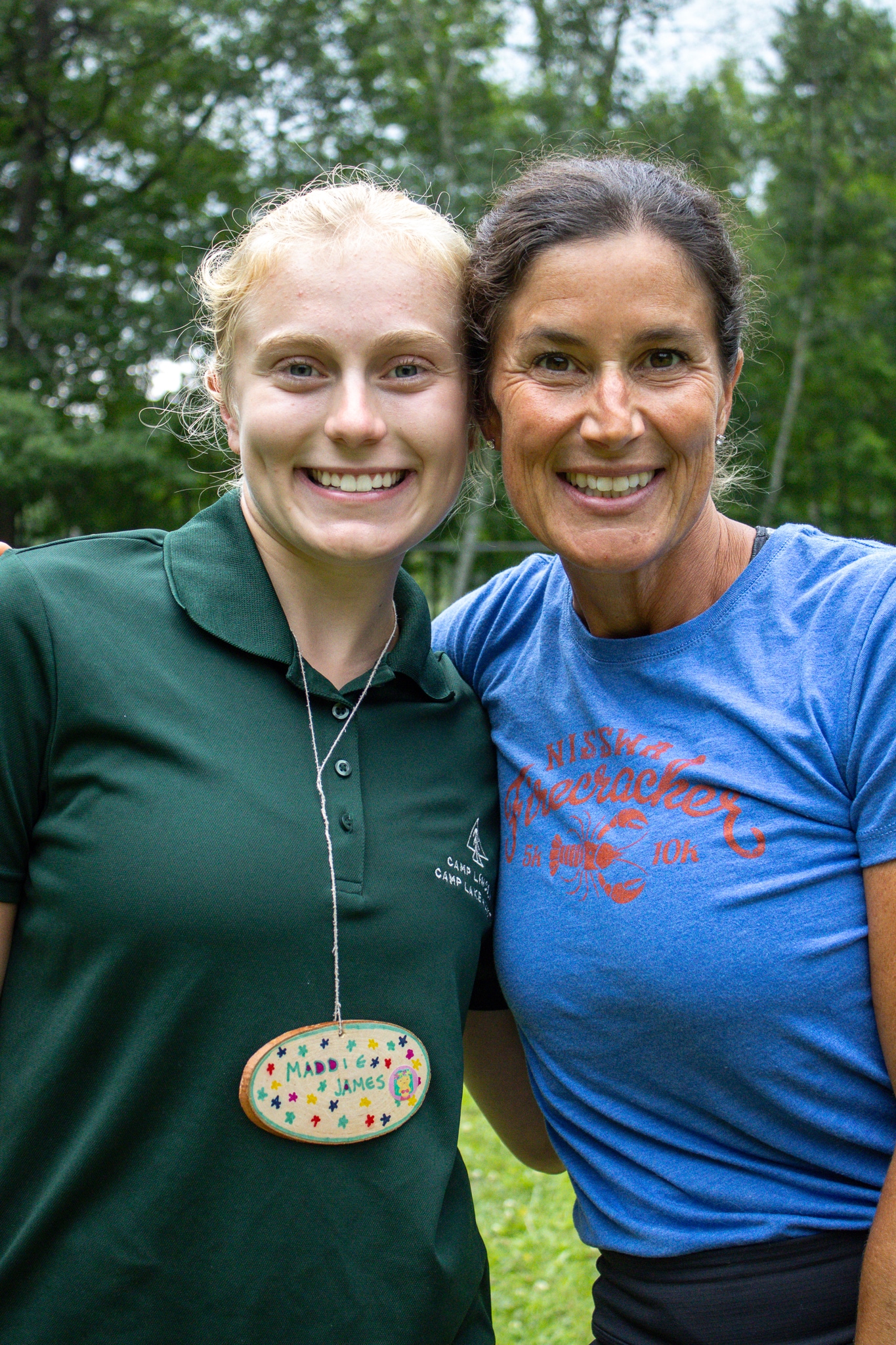
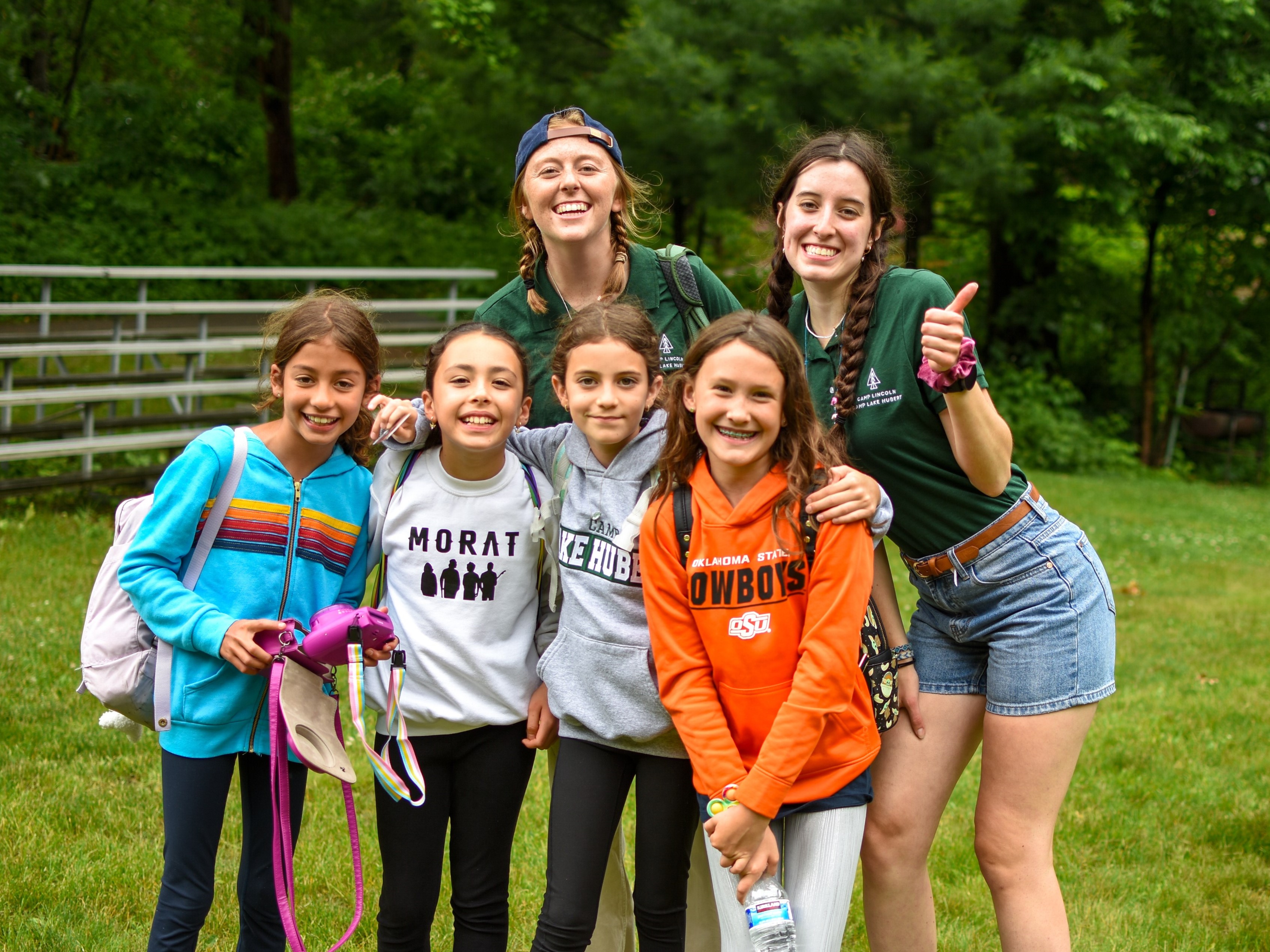
Residential camp is thoughtfully designed to help children develop independence, confidence and strong social skills. At Camp Lincoln and Camp Lake Hubert, experienced counselors and staff create an environment where campers are supported every step of the way.
Our staff are trained to help campers navigate everything from trying new activities to working through homesickness or friendship challenges. These moments are normal and often become valuable opportunities for growth. Sometimes the most powerful learning happens when campers are given the chance to solve small problems on their own with caring guidance from counselors rather than immediate help from parents. Whether it's figuring out how to organize their bunk space or working through a disagreement with a cabin mate, these experiences help campers develop resilience and confidence. When parents trust the process and encourage their children to engage fully in camp life, campers are more likely to embrace the independence that camp provides.
Parents and Camp Leadership Team Create Powerful Results
When parents and camp staff work together as partners, the results are powerful. Campers often return home with a deeper sense of independence. They've learned to navigate friendships, try new activities, and overcome small challenges. They've discovered that they are capable of more than they realized.
Many parents notice changes right away as their campers exhibit greater confidence, stronger social skills, and a willingness to step outside their comfort zones. Just as importantly, campers come home with memories of laughter, friendships, campfires, and adventures that stay with them for years.
Staying Connected in Healthy Ways

Even though campers are busy building friendships and enjoying activities, families remain an important part of the experience. Letters and notes from home can be a meaningful way to stay connected.
A helpful tip for parents is to keep letters upbeat and encouraging. Sharing excitement about what campers might be learning or asking about new friends and favorite activities keeps the focus on the experience they are having at camp. For example, a message like "We can't wait to hear about your sailing adventures!" helps reinforce enthusiasm and curiosity. These kinds of notes remind campers that their families are proud of them for trying something new. This supportive communication helps campers stay engaged and confident during their time at camp.
A Partnership That Makes Camp More Meaningful
At its heart, summer camp is about helping young people grow into their best selves. That journey is strongest when parents and camp work together with shared trust and communication. Families provide the foundation of encouragement and support. Camp builds on that foundation by offering an environment where children can explore, challenge themselves, and discover new strengths. When that partnership is in place, campers don't just have a fun summer, they have an experience that shapes their confidence and character for years to come. And that's when camp truly becomes meaningful. Learn more about our summer camps here.


